Medical Assistant Jobs Near Me: Opportunities in Oklahoma City
Medical assistants are among the most in-demand healthcare workers in the country, and Oklahoma City is no exception. The Bureau of Labor Statistics projects 14% growth in medical assistant employment through 2032 — nearly triple the national average for all occupations. That growth translates directly into job openings at clinics, physician offices, urgent care centers, and specialty practices across the region.
If you’re looking for medical assistant jobs near you, here’s what the landscape actually looks like — what employers want, what the work pays, and how to position yourself to get hired.
Where Medical Assistants Work in Oklahoma City
Medical assistant jobs exist in nearly every type of healthcare setting:
Primary care offices — family medicine, internal medicine, and general practice. These are the most common employers of medical assistants. The work involves patient intake, vitals, injections, phlebotomy, EKGs, and administrative tasks like scheduling and insurance verification.
Specialty clinics — cardiology, dermatology, orthopedics, OB-GYN, gastroenterology, endocrinology. Specialty offices often pay more and involve procedure-specific skills. Many medical assistants discover a specialty they love during their externship and pursue it after graduation.
Urgent care centers — fast-paced environments with a high volume of patients and a wide variety of conditions. Urgent care roles build clinical skills quickly because you see so many different presentations.
Hospital outpatient departments — surgical prep, recovery areas, and outpatient procedure clinics. These positions often come with benefits packages and structured advancement paths.
Federally Qualified Health Centers (FQHCs) — community health clinics that serve underserved populations. Meaningful work, diverse patient populations, and often loan repayment or tuition assistance programs.
What Employers Look for When Hiring
After reviewing hundreds of medical assistant job postings and talking to hiring managers, three factors consistently determine who gets hired:
1. Hands-on clinical skills
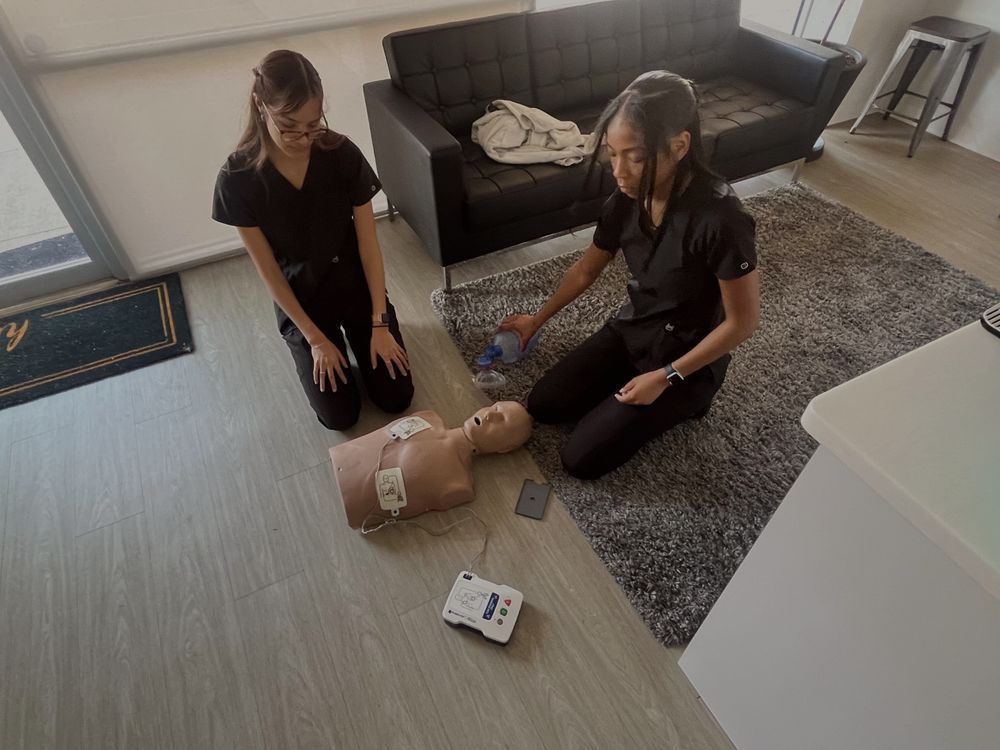
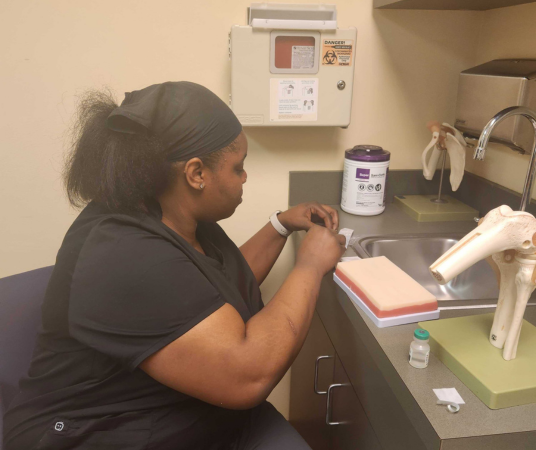
Employers want medical assistants who can take vitals, draw blood, administer injections, run EKGs, and manage patient flow from day one. Programs that train students in real medical offices — rather than simulated classrooms — produce graduates who ramp up faster and interview more confidently.
2. CCMA certification (or progress toward it)
The Certified Clinical Medical Assistant (CCMA) credential from the National Healthcareer Association is the most widely recognized certification in the field. It tells employers your skills have been independently verified. Not every job requires it, but certified candidates consistently get hired faster and at higher starting wages.
3. Professionalism and communication skills
Medical assistants are often the first clinical contact a patient has. Employers need people who communicate clearly, maintain composure under pressure, handle sensitive information appropriately, and treat every patient with respect. These soft skills matter as much as clinical competency.
Medical Assistant Salary in Oklahoma City
According to the BLS, the national median salary for medical assistants is approximately $42,000 per year (roughly $20 per hour). Here’s how pay breaks down by experience:
| Experience Level | Annual Salary Range |
|---|---|
| Entry-level (0–1 year) | $33,000–$38,000 |
| Mid-level (2–4 years) | $38,000–$45,000 |
| Experienced (5+ years) | $45,000–$55,000+ |
| Lead/specialty roles | $50,000–$60,000+ |
Factors that increase pay: CCMA certification, specialty practice experience, bilingual ability, and geographic market demand.
How to Get Hired: Step by Step
Complete a focused training program
The 18-week program at Oklahoma City Medical Assistant School covers the full scope of clinical and administrative medical assisting: phlebotomy, injections, EKGs, vitals, patient intake, scheduling, insurance verification, EHR documentation, and CCMA exam preparation. Training happens in real medical offices, not lecture halls.
Earn your CCMA certification
Certification is the single most impactful thing you can do to improve your hiring prospects. The CCMA exam covers everything you learn during training — clinical procedures, administrative tasks, and patient care competencies. Programs that integrate exam prep throughout the curriculum produce higher pass rates than those that treat it as an add-on.
Build your resume strategically
Highlight clinical skills first — phlebotomy, injections, EKGs, vitals — followed by administrative competencies and any patient-facing work history. Include your externship experience, even if it was brief. Hiring managers want to see that you’ve worked with real patients in a real clinical setting.
Leverage your externship connections
Your externship places you inside a local medical office where you’ll build professional relationships. Many graduates receive job offers from their externship site. Even when that doesn’t happen, the references and experience are your strongest job search assets.
Apply broadly and strategically
Don’t limit yourself to one practice type. Apply to primary care, specialty clinics, urgent care, and community health centers. Your first position builds experience and opens doors to the specific setting you ultimately want.
Why Oklahoma City Medical Assistant School
The program at Oklahoma City Medical Assistant School in Oklahoma City is designed around employability:
- 18 weeks of focused, career-specific training
- Hands-on practice in real medical offices — not simulated classrooms
- CCMA exam preparation built into the curriculum
- Externship placement in local healthcare facilities
- No student loans — payment plans keep you debt-free
- Nights and weekends — train without quitting your current job
Start Your Job Search Prepared
The strongest position you can be in when searching for medical assistant jobs is trained, certified, and experienced. Eighteen weeks gets you there.
- See the full curriculum: Program details
- Review tuition and payment plans: Tuition
- Talk to our team: Contact us
- Apply today: How to apply
You're only a few months from the medical assistant career you deserve.